
Eat well. It is the most common health advice in the world and possibly the least useful.
In the emergency department, I treated the downstream consequences of metabolic dysfunction every shift. Type 2 diabetes, cardiovascular events, inflammatory conditions, many of them rooted in decades of dietary patterns that no one had helped these patients understand or change. The advice they had received their whole lives was some version of 'eat well.' It did not help them.
It cannot help anyone, not in a food environment where roughly 73 percent of the US food supply is ultra-processed, where hyperpalatable formulations are engineered to override satiety signals, and where food labels require a chemistry degree to decode.
The science on this is sobering. A landmark randomized controlled trial from the NIH found that people eating ultra-processed diets consumed approximately 500 more calories per day and gained weight rapidly, even when matched for macronutrients and palatability with whole food alternatives. Ultra-processed food consumption is now associated with increased risk of cardiovascular disease, type 2 diabetes, obesity, depression, and all-cause mortality.
This is not a matter of willpower. These products are designed to be consumed in excess.
The cost shows up in organizations, too. Metabolic dysfunction drives a significant share of chronic disease claims. Energy crashes from blood sugar instability reduce afternoon productivity. Chronic low-grade inflammation affects mood, cognition, and resilience. Companies absorb these costs year after year while offering wellness programs that never touch the issue with any depth.
This is why nutrition in our programs is not a single workshop or a handout on MyPlate. It starts with food label literacy, teaching people to identify the ingredients that do the most damage. Seed oils and industrial fats. Added sugars hiding under dozens of names. Artificial sweeteners that disrupt the gut microbiome. Emulsifiers and preservatives linked to intestinal permeability. Artificial colors associated with behavioral and neurological effects.
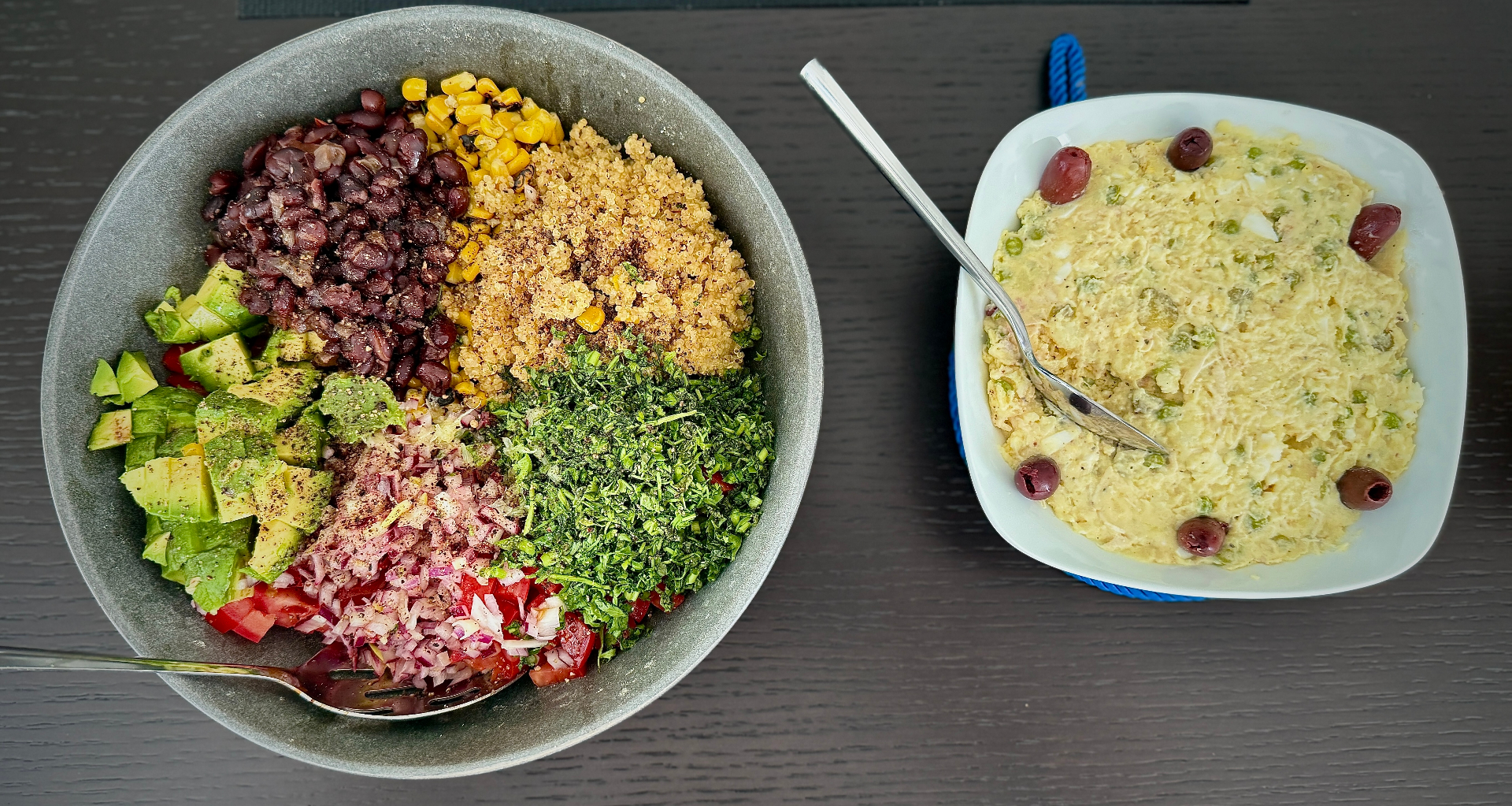
But literacy alone does not change behavior. We also cover what nutrient-dense, whole foods actually look like and where to find them. Practical strategies for navigating grocery stores. Simple meal preparation that does not require a culinary degree. Better choices within imperfect environments and busy lives.
What does eating well actually mean today? It means prioritizing whole, minimally processed foods, quality proteins, healthy fats, abundant vegetables, fruits, nuts, seeds, and whole grains. It means understanding your own metabolic response. And it means recognizing that the food environment is actively working against you, and equipping yourself with the knowledge to navigate it.
Future posts in this series will cover macronutrients and micronutrients in depth, the practical, evidence-based guidance that most people never received.
Dr. Naisohn Arfai, MD
Founder, HAYA Health